The Xenohormesis Principle: Why Wild Plants Produce Superior Compounds
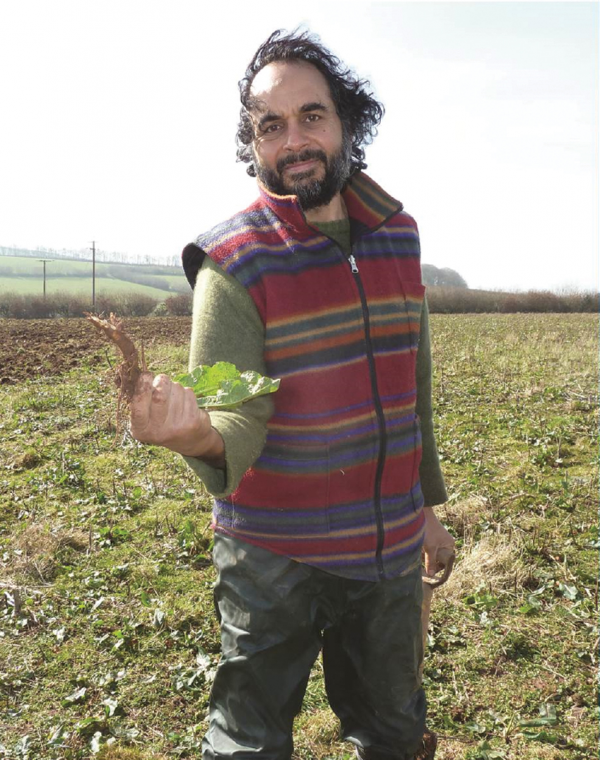
When plants grow in the wild without human intervention, they face constant environmental stressors—harsh weather, intense UV exposure, competitive pressure from neighboring plants, and natural pathogens. In response, wild plants synthesize significantly higher concentrations of protective compounds called polyphenols. This adaptive mechanism, known as xenohormesis, represents one of nature’s most elegant survival strategies.
Research consistently demonstrates that wild-harvested plants contain dramatically higher polyphenol levels than cultivated varieties. Studies show that wild sumac can contain up to 2 times more polyphenols than domesticated varieties, a difference reflecting the natural growing conditions of wild plants.
Understanding Polyphenols and Antioxidant Power
Polyphenols are organic compounds with multiple phenol groups—a chemical structure that gives them exceptional ability to neutralize harmful free radicals in the body. These molecules work through several mechanisms: direct radical scavenging, metal chelation, and enzyme modulation. The diversity of polyphenol types matters tremendously. A truly potent antioxidant supplement doesn’t rely on a single polyphenol class but rather on a complementary spectrum that can address multiple pathways of oxidative stress.
Wild-harvested sumac is naturally rich in polyphenols and other plant compounds, traditionally valued across Mediterranean and Middle Eastern wellness practices.
Dr. Ingram’s Legacy: Pioneering Wild Plant Research
Dr. Cass Ingram’s decades-long research into wild plants transformed our understanding of how cultivation practices affect nutrient density. His investigations into sumac and cranberry revealed that sustainable wild harvesting—when done with environmental respect—yields botanical specimens of unparalleled potency. This research foundation became the basis for SumaMax, a carefully formulated combination that harnesses the synergistic power of wild sumac and white cranberry.
The Sustainability Advantage
Beyond nutritional superiority, wild-harvested plants grown without synthetic pesticides or fertilizers offer a cleaner, more ecologically sound supplement option. By supporting wild plant harvesting, consumers help protect native ecosystems and encourage sustainable land stewardship practices that benefit biodiversity.
Practical Application for Daily Wellness
Including SumaMax in your daily regimen provides access to the antioxidant richness that only wild-harvested plants can deliver. The combination of wild sumac’s gallotannins with white cranberry’s proanthocyanidins creates a polyphenol profile far more comprehensive than either plant alone.
This statement has not been evaluated by the Food and Drug Administration. This product is not intended to diagnose, treat, cure, or prevent any disease.